
A story about insufficient fuel flow and the mighty 3087-T tool.
I had a very bad fuel source situation on my DS. I was replacing the tank and a lot of pipes around the tank, even the fuel pump to be on the safe side. Still I facing with very poor fuel throughput.
You know, Citroen DS has a push-rod mechanism to actuate the pump, meaning the pump does not have an arm that penetrates inside the motor body, but there is a rod transferring the action from the motor out to the pump.
As a matter affect, Citroen equipped DS models with different length of push-rods regardless of motor model. With the length of 48.06mm, 48.57mm and 49.08mm. (The types are marked with one, two and three grooves in the same order.) There is a special tool provided by Citroen called 3087-T to check whether you have the right length of push-rod.
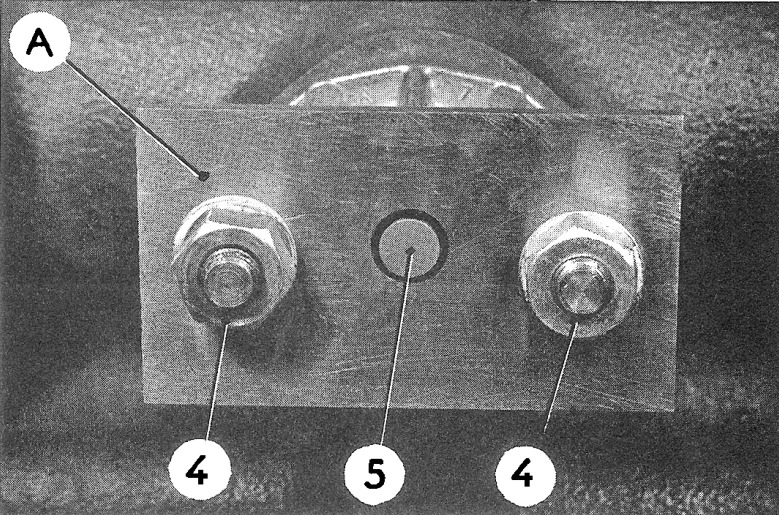
So the next logical thing for me to chase down the fuel delivery problem is to check the push-rod length. But it is easier said than done, as this tool is never to be found on the internet.
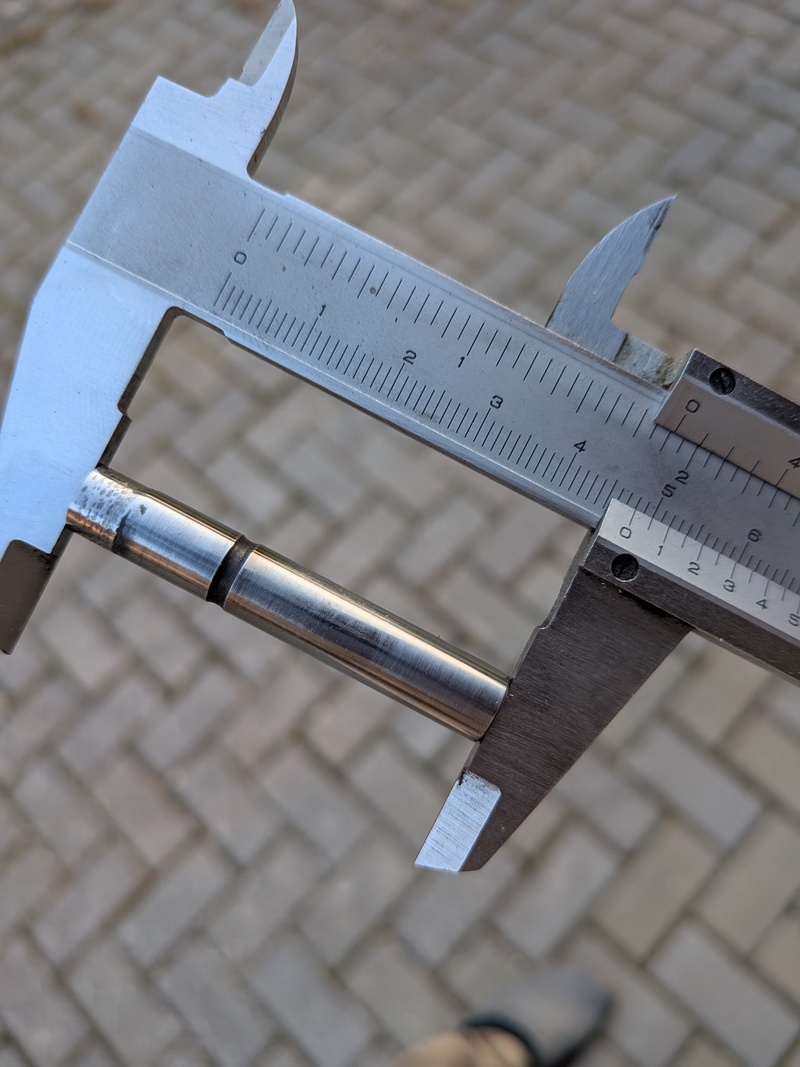
Anyway, I have checked my rod, that has one groove, and I measured 45.8mm … instead of 48.06. I was quite shocked. I still don’t know whether the rod just got wear out, or someone intentionally removed material from it. Either way I need a longer push-rod.
I have added some material with a tick-welder. In fact this is more than two millimeters to add. To avoid some messy overflow, I have drilled through a tile with a 8mm drill-bit, inserted the rod to the right depth, so know height to reach with the fill. And I have filled up the hole with the welder. This worked out flawlessly. I know this is not an optimal solution a welding material might not be as tough as the rod, but at this point I was okay with a temporary solution.
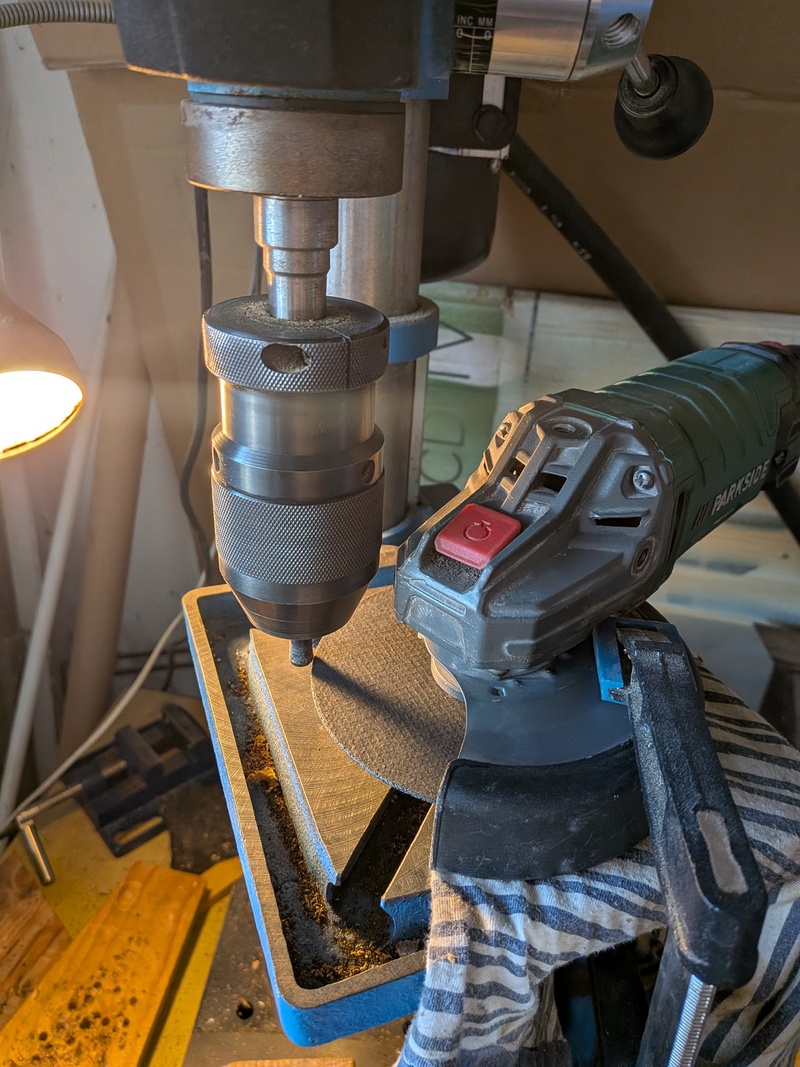
As I had lengthen the rod, now, I had to set the right length… without a lathe. So I’ve improvised a setup with a drill-press and and angle grinder. It worked out quite okay. Of course the 2 decimal precision was not something I can achieve with this, but we do not have to be that precise, right? Right?
After this I was wondering… Adding 2.2 mm is quite a big amount. After all, specification talks about a 2 decimal precision. What if I someone deliberately removed material from the rod. What if I made the rod too long, that pushes the pump way in, destroying the pump.
I have build an improvised jig and measured, that the pump has an action of 0 to 3..3.5mm measuring from the mounting plane. Note, that we are out in the 0.5 mm precision now. This is not optimal at all. But I now, that it is safe for the pump to have a rod penetrating out from the mounting plane below 3mm.
So I can assume, that the mighty 3087-T tool is just a steel plate of 3mm, and to goal is not to let the rod penetrate above the surface.
As we are already at the 0.5mm territory, I have made a 3D model of the size above and made a test measurement, that was showing, my modified rod is still way under the 3mm limit. As at the highest position the rod surface was still under the face of my tool. So I’m safe, the pump will not be destroyed.
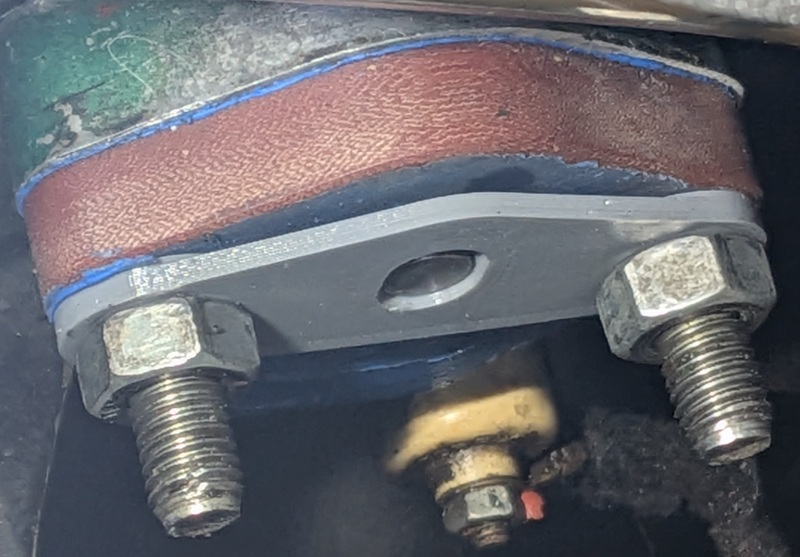
After assembling the pump, I can confirm, that the fuel flow is very good. Is it perfect? I don’t know. Is the 2 digit precision necessary for this calibration? I’ve learned, that the pump action is 3mm, so even a half millimeter off might influence the efficiency, or cause pump damage for a longer rod. So, 1 digit precision is certainly justifiable (2 digits not so much).
You can download the 3D model of the 3087-T tool here. Disclaimer: This is not a perfect model and not audited by anyone. Apply is and check whether the rod face is always under the plain of the tool even in the uppermost position.